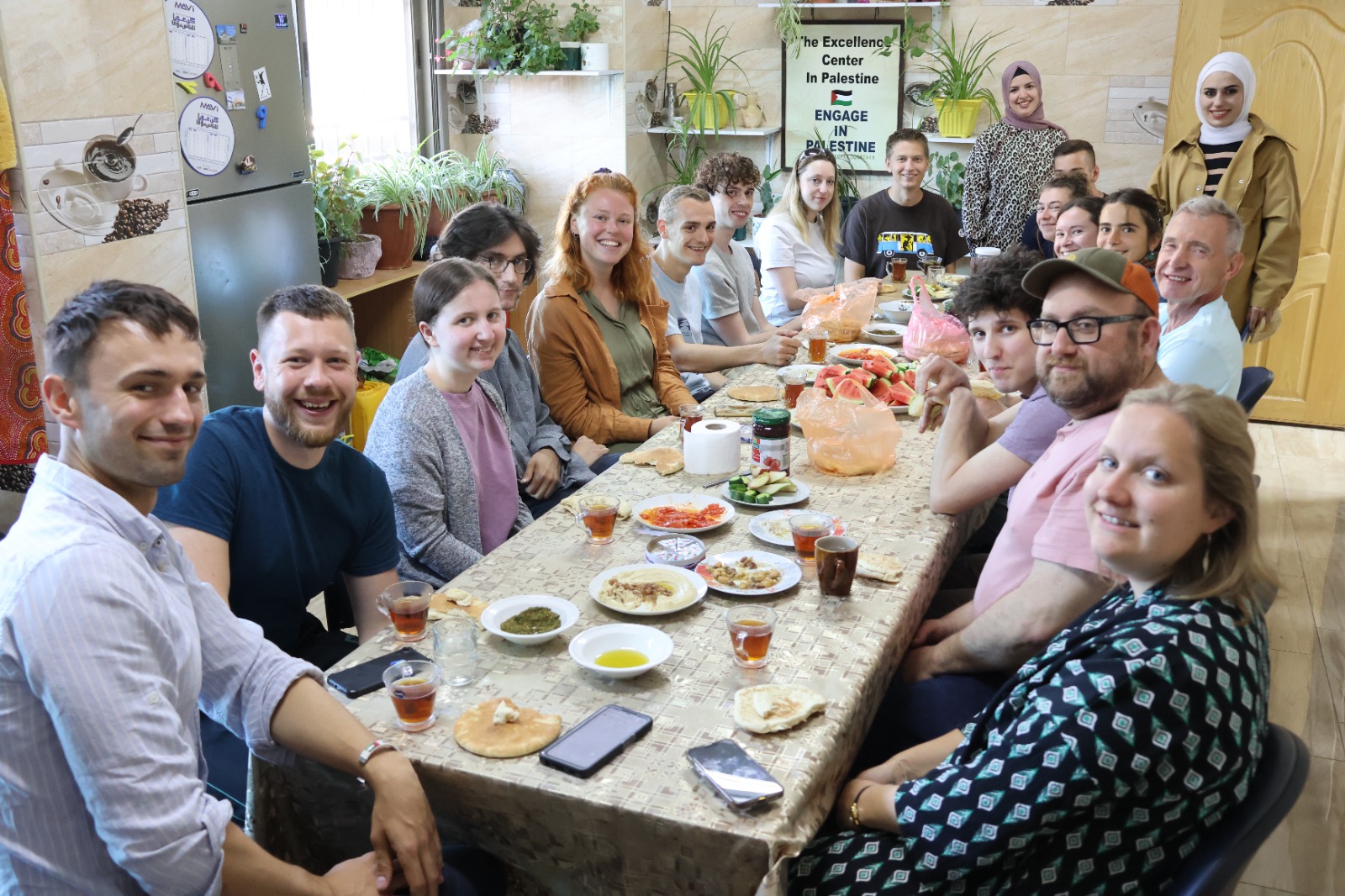
The first things you’ll notice about Palestine: When you first come to Palestine there will be a lot to take in. A lot of it you will not be used to, but just because it’s different doesn’t mean it’s bad or even scary for that matter. As an English speaking international you’re likely used to a more open culture, one where you probably dress and behave differently. However, you may not be used to the warmth of this culture, one where you can’t make it down the street without being stopped for a conversation. Finally, of course, you will notice the occupation in Palestine. This culture is very different, but knowing that different doesn’t mean worse is important because a lot of the differences will smack you in the face upon arrival.
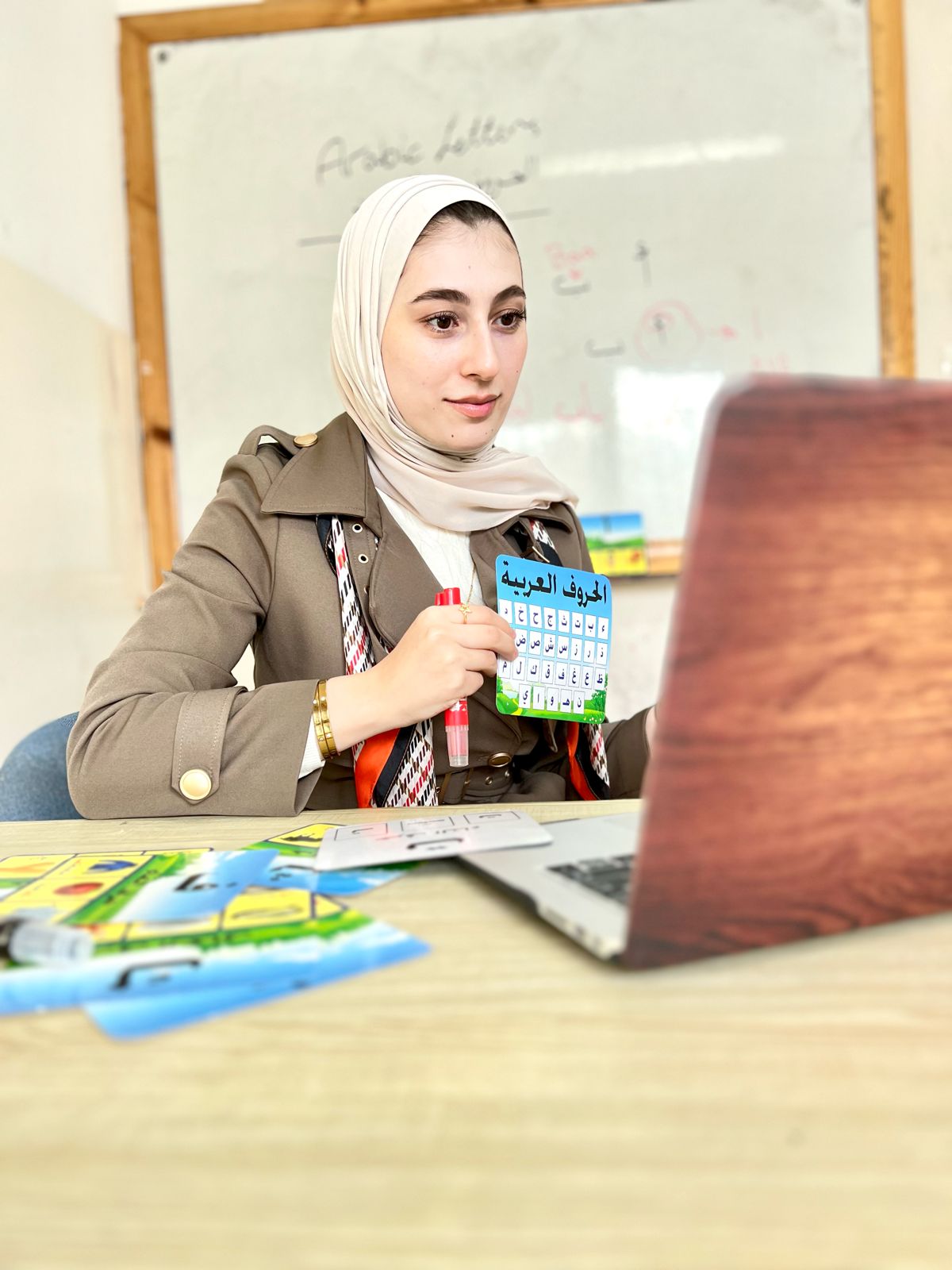
 One of the first things you’ll notice when you get to the West Bank is the clothing, especially the women who wear head covers. These are called hijab and many women wear them here due to religious or social reasons. However, this doesn’t mean that you have to do the same, even if you are a women. If it makes you feel more comfortable that’s fine but you don’t need to feel obligated to cover up. While you need not do this it is still respectful of culture and societal norms here to dress more conservatively for men and women. This could range from wearing pants in the heat to covering any tattoos you may have while going outside.
 You making these small efforts to respect the Palestinian culture will be returned ten-fold. Either through people stopping you on the street to introduce themselves, or maybe someone helping you when it seems like you may be lost and in need of assistance. This level of hospitality is not something you’ll have been used to in your mother country, in part because of how genuine it is. Normally when you stop on the street and speak to someone it is shallow formalities. Not here, in Palestine they will show a genuine interest and goodwill towards you upon meeting you.
 Finally, you will notice these people, who are so hospitable and friendly, being forced to live under the occupation of Israel. It will likely first become apparent to you when traveling through Jerusalem on your way to the West Bank. Following that you will see some of the checkpoints Palestinians have to go through every day in the West Bank. Then, as you travel to a city such as Hebron you’ll notice settlements along the way (in Hebron’s case inside the city). However, when it rears its ugly head the occupation is apparent throughout the West Bank, and it is something you will notice almost immediately.
 While there are some things, such as the warm culture here, which you can look forward to, you must also prepare both mentally and physically for what you are entering. Physically, because of how conservative the culture is, and how you much dress if you want to show it the respect it deserves. Then mentally because you will be witnessing, first hand, how Palestinians must live under daily occupation by the Israeli army. Palestine comes with a good side as well as darker aspects, each of which you will come to recognize if you begin working here.